


Mallorca has enough variety that a week rarely feels repetitive if you mix a few different areas. The Serra de Tramuntana (a UNESCO World Heritage Cultural Landscape since 2011) runs along the northwest with terraced hills and stone villages. The southeast holds many of the photogenic calas. The north offers long sandy beaches and Cap de Formentor. Palma supplies the main urban center with its cathedral and markets.
These 25 places and experiences cover the highlights that consistently appear in recent traveler accounts and guides, along with practical notes on timing and access. They work as day trips or bases depending on where you stay. For broader planning, see the main Mallorca Travel Guide.
Palma Highlights
1. Palma Cathedral (La Seu)
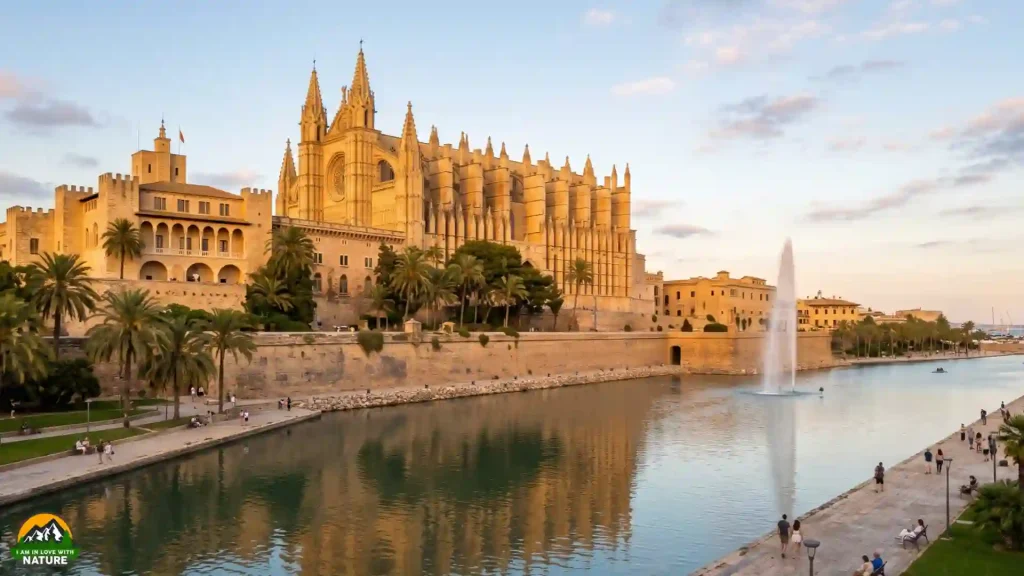
The Gothic cathedral stands at the edge of the old town overlooking the harbor. Its size and stained glass make it the island’s most recognizable landmark. Morning light through the windows is usually the best time. Entry is typically around €10–15; book online in busier months.
2. Palma Old Town and Markets
The old town’s streets are walkable and hold several markets. Mercat de l’Olivar and the Santa Catalina market are useful stops for food. Recent walks through the area in autumn 2026 showed the back streets remaining relatively calm even when the main squares fill up.
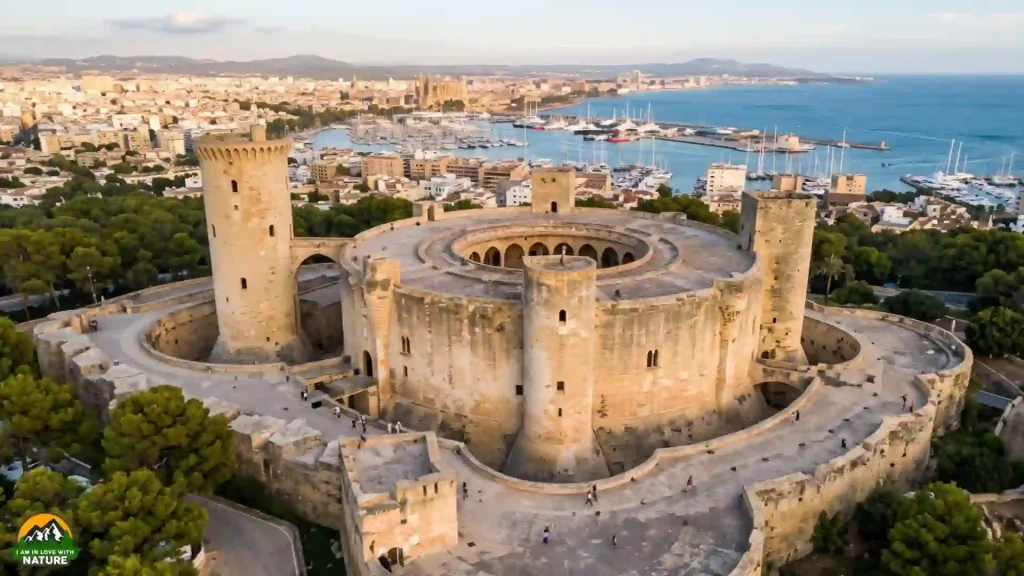
3. Bellver Castle
The circular castle sits on a hill above the city and offers wide views. It is one of the few round castles of its type in Spain. A short drive or taxi from the center makes it easy to add to a Palma day.
4. Paseo Marítimo
The waterfront promenade runs several kilometers and is straightforward for a walk or bike ride. It connects the cathedral area with neighborhoods farther along the bay.
For a full city breakdown, see the [Palma de Mallorca Travel Guide].
Serra de Tramuntana and Mountain Villages
5. Vintage Train to Sóller
The wooden train has run between Palma and Sóller since 1912. The roughly one-hour ride passes through 13 tunnels and mountain scenery. Many people continue on the tram to Port de Sóller. It remains one of the more popular single experiences on the island.
6. Sóller and Port de Sóller
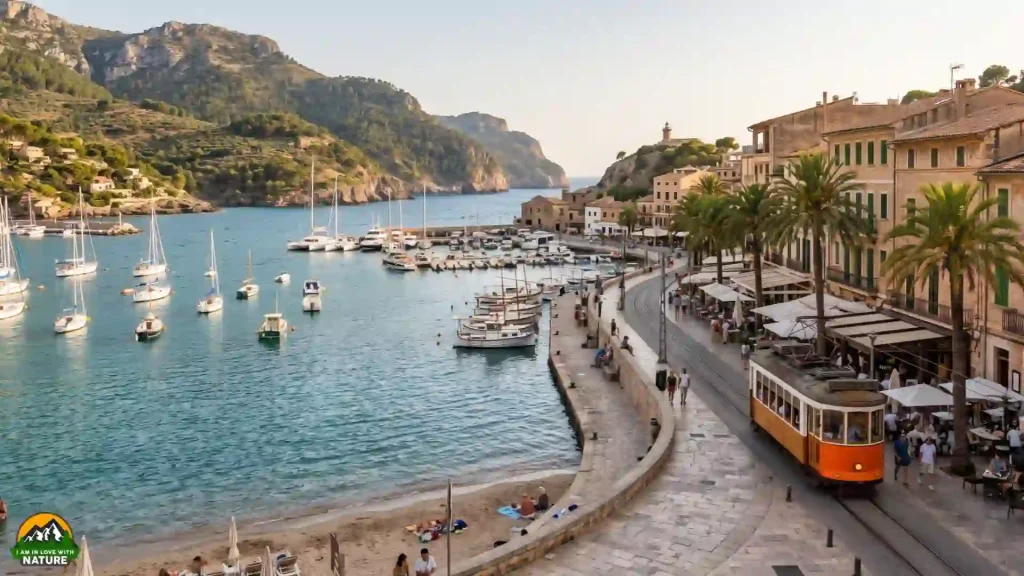
Sóller sits among orange groves with a lively main square. Port de Sóller has a harbor and is easy to reach by tram. The area works well as a base for Tramuntana day trips. More detail is in the [Sóller and Port de Sóller Travel Guide].
7. Valldemossa
Stone buildings, narrow streets, and the Charterhouse (where Chopin and George Sand stayed) define the village. It can get busy midday; early or late visits are quieter. See the dedicated [Valldemossa Travel Guide] for more.
8. Deià
Deià is a small hillside village with a rocky cove below (Cala Deià). It has a long association with artists and writers. Parking is limited, so timing matters in summer.
9. Fornalutx
Often listed among the island’s prettiest stone villages. It is smaller and quieter than Sóller or Valldemossa and sits in the same mountain area.
10. Coastal Road and Viewpoints (Banyalbufar and Beyond)
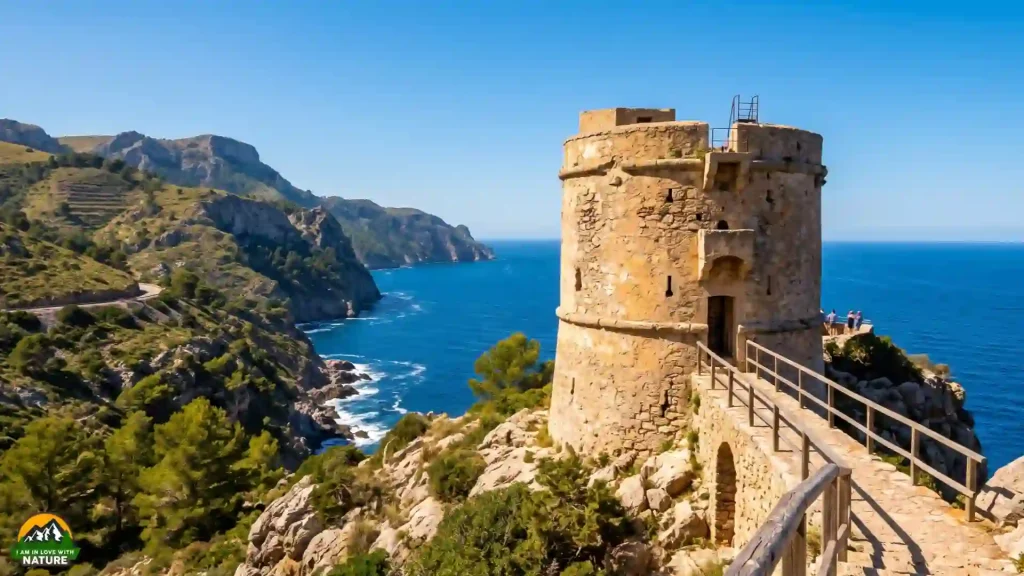
The road along the western Tramuntana passes terraces, sea views, and small stops such as the Torre des Verger. It is scenic in both directions but slower with traffic in peak season.
The full mountain range is covered in the [Serra de Tramuntana Travel Guide].
North Coast
11. Cap de Formentor
The northernmost peninsula has cliffs and a lighthouse. Private cars face seasonal restrictions (typically mid-May to mid-October, roughly 10:00–22:00), so a shuttle or early/late arrival is required during those hours. Confirm current rules close to your dates.
12. Alcúdia Old Town
The walled old town is compact and easy to combine with nearby beaches. The walls and streets are walkable in a short visit.
13. Pollença
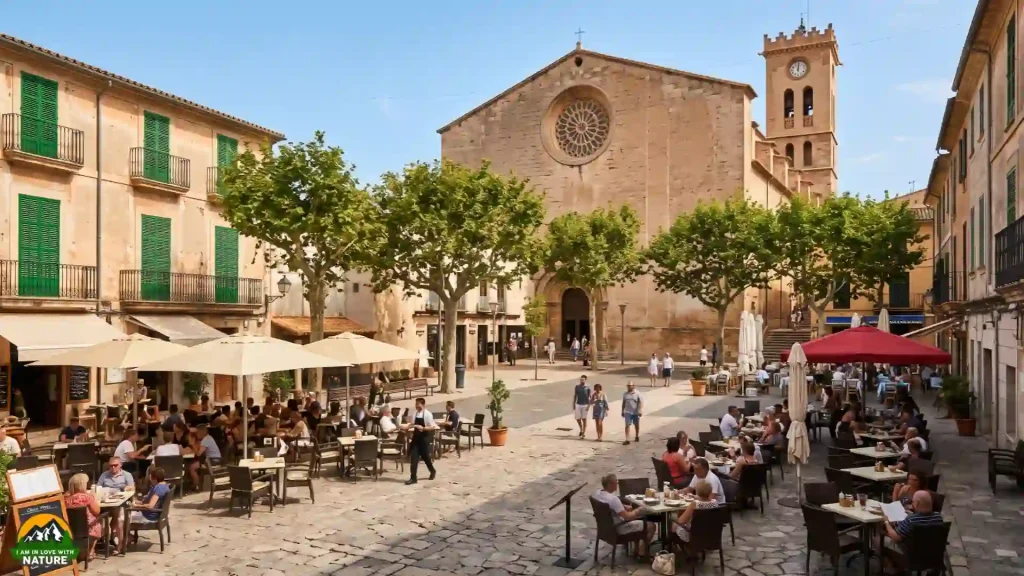
Pollença has a main square, a stepped calvary, and access to northern beaches and Formentor. It is less crowded than some coastal resorts.
14. Playa de Muro and Playa de Alcúdia
These long sandy beaches in the north are straightforward for swimming and families. The water stays shallow for a distance, which many travelers note as practical.
Beaches and Calas
15. Es Trenc
A long undeveloped beach in the south with dunes and salt flats behind it. It is popular, so early arrival helps in summer. Facilities are limited compared with resort beaches.
16. Cala Mondragó and S’Amarador
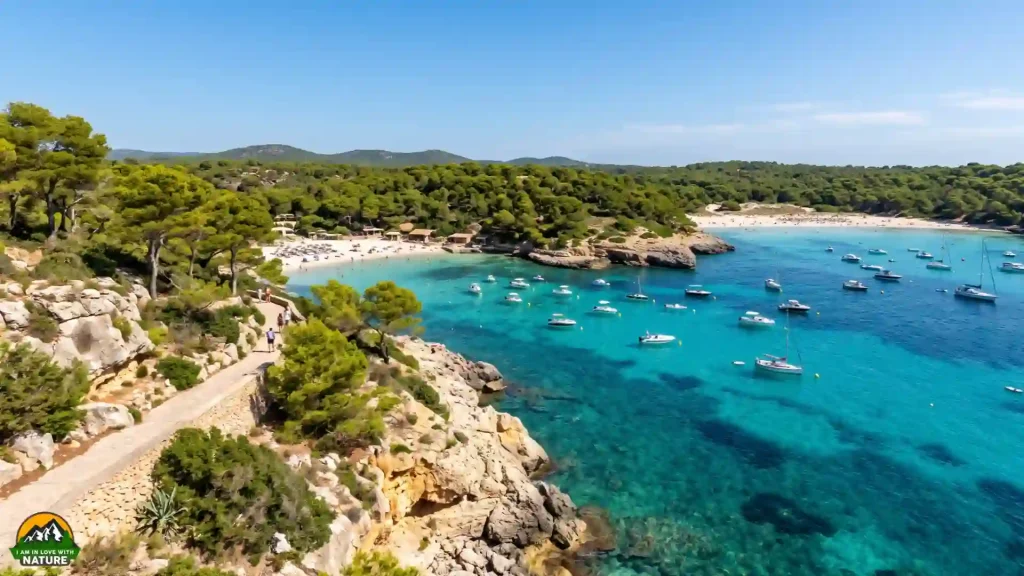
These coves sit inside Mondragó Natural Park. The setting is protected and the water is clear. Parking can fill on busy days.
17. Cala Llombards and Caló des Moro
Smaller southeast calas that appear frequently in photos. Access involves some walking and parking is limited. They are best outside peak midday hours in July and August.
18. Cala Deià
A rocky cove at the base of the village. It is scenic but not a long sandy beach. Reachable on foot from Deià.
19. Other Southeast Calas (Cala Santanyí, Cala Figuera area)
The southeast has many small inlets. Santanyí itself is a useful stone-built town for exploring them. A broader beach comparison is in the [Best Beaches in Mallorca] guide.
Experiences and Other Stops
20. Coves del Drach
The caves near Porto Cristo include a large underground lake and classical music performances. Timed entry is common in high season. It is one of the more structured attractions on the island.
21. Sineu Market
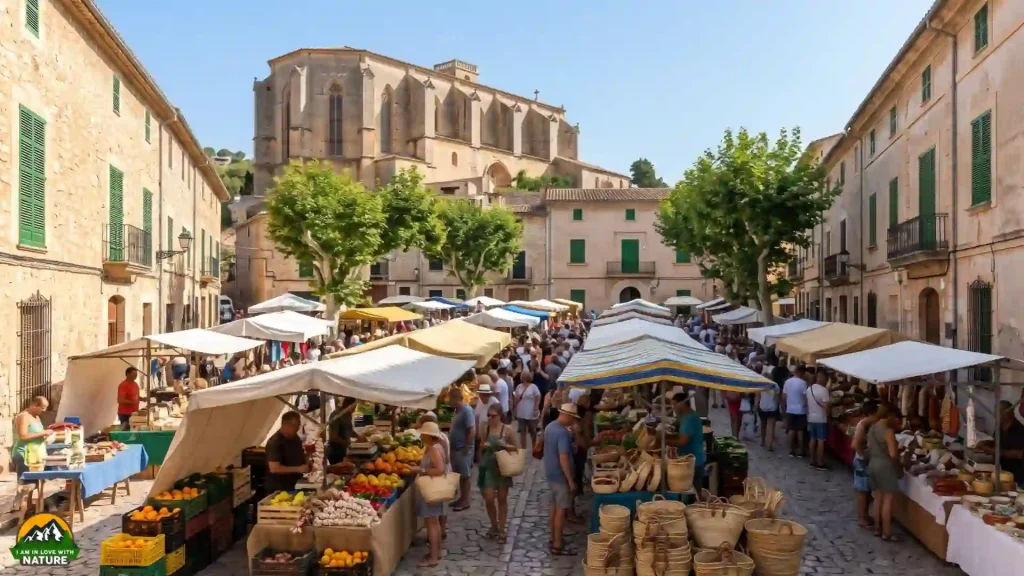
The Wednesday market in Sineu is one of the oldest on the island. It draws locals and visitors for produce, goods, and a more everyday atmosphere than some coastal markets.
22. GR 221 (Ruta de Pedra en Sec)
The dry-stone route through the Tramuntana offers multi-day or shorter hiking sections. It follows historic paths and is signposted. See the [Best Hiking Trails in Mallorca] guide for route details.
23. Boat or Catamaran Trips
Several operators run coastal trips from Palma, Alcúdia, or Port de Sóller. These are popular for seeing calas from the water without driving. Prices typically range €40–90 depending on length and inclusions.
24. Santanyí
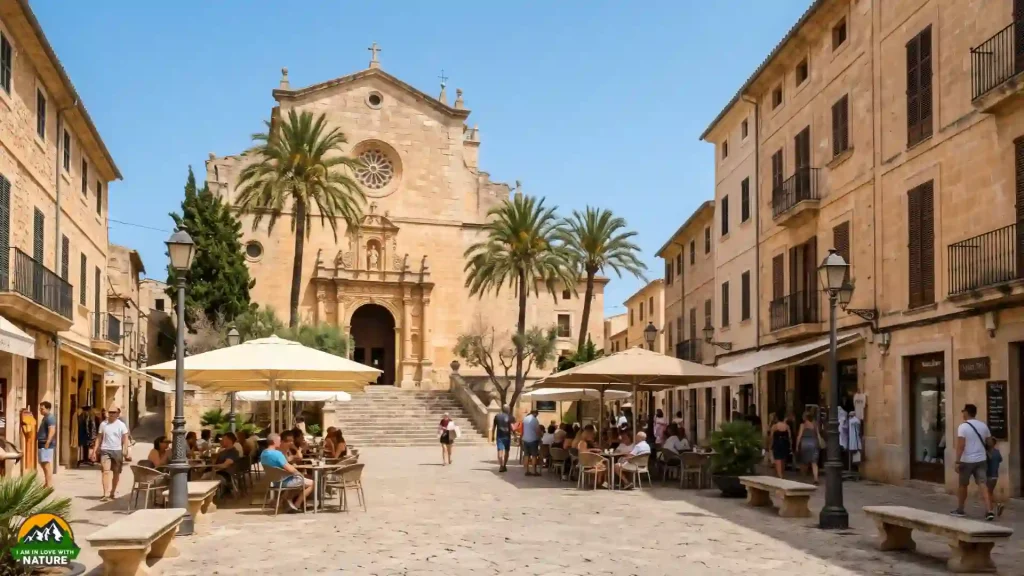
A stone village in the southeast that works as a base for nearby calas. It has a quieter feel than coastal resorts and is easy to reach by car.
25. Jardins d’Alfàbia or Similar Gardens
Historic gardens in the Tramuntana area (near Sóller) offer a shaded stop with older landscaping. They are lower-key than the main villages but useful on a mountain day.
Quick Comparison
| Experience | Best For | Effort Level | Notes |
| Sóller Train | Scenery & ease | Low | Book ahead in summer |
| Cap de Formentor | Views | Medium | Check car restrictions |
| Es Trenc | Long beach day | Low | Arrive early |
| Valldemossa / Deià | Village atmosphere | Low–Medium | Parking limited |
| Coves del Drach | Structured attraction | Low | Timed tickets useful |
| GR 221 sections | Hiking | Medium–High | Weather dependent |
Practical Notes
- Timing: Early mornings reduce crowds at calas and popular villages. October and shoulder months see fewer people but some resort services wind down after the first week or so of October, according to on-island reports from autumn 2026.
- Transport: A car helps for calas and mountain villages. Buses cover main routes and the Sóller train is an option for that corridor.
- Crowds: July and August fill the smaller calas and Formentor road quickly. May, June, and September usually balance weather and space better.
- Costs: Cathedral and cave entry are modest. Boat trips and private tours add up faster. Markets are good for lower-cost meals.
These 25 cover the places and experiences that most travelers prioritize on a first or return visit. They pair well with the main Mallorca Travel Guide for logistics and the specialized guides for deeper planning on beaches, the Tramuntana, or specific towns.
What are the absolute must-see attractions in Mallorca for first-time visitors?
The Gothic Catedral de Mallorca (La Seu) in Palma is the island’s premier cultural landmark, standing directly above the historic Old Town and the Mediterranean Sea. For natural scenery, the Serra de Tramuntana mountain range—a UNESCO World Heritage site—and the subterranean Cuevas del Drach are the highest-rated experiences.
How many days do you need to see the best of Mallorca?
Five to seven days is the ideal duration to experience Palma’s historic center, hike or drive through the Tramuntana mountain villages, and relax at the southeastern coves. A shorter three-to-four-day trip is sufficient if you base yourself in Palma and focus on one coastal region alongside a day trip to Sóller and Valldemossa.
What are the best things to do in Mallorca without a car?
Base yourself in Palma to explore the Old Town and Bellver Castle on foot, and ride the historic 1912 wooden train through the mountains to Sóller and Port de Sóller. You can also join organized catamaran cruises from Palma Bay or book guided excursions to the Cuevas del Drach and local wineries with direct hotel transfers.
Which part of Mallorca has the best beaches and coves?
The southeast coast around Santanyí features the island’s most famous turquoise coves (calas), including Caló des Moro, Cala s’Almunia, and Mondragó Natural Park. If you prefer long stretches of white sand and shallow, family-friendly waters, head north to Playa de Muro, Alcúdia, or Formentor Beach.
What are the best unique or non-touristy things to do in Mallorca?
Escape the resort crowds by hiking to the medieval Castell de Capdepera, browsing the traditional Wednesday market in Inca, or taking a sunrise hot air balloon ride over the central plains. You can also spend an overnight retreat at the Santuari de Lluc monastery in the Tramuntana mountains or sail to the protected Cabrera Archipelago National Park.
What are the top things to do in Mallorca for families and couples?
Couples gravitate toward sunset viewpoints at Cap de Formentor or Son Marroig, boutique wine tastings in Binissalem, and private llaüt (traditional boat) charters. Families enjoy the underground boat concert at Cuevas del Drach, the vintage Port de Sóller tram, and calm coastal waters at Cala d’Or and Alcúdia.


