The ocean is the beating blue heart of our planet — covering more than 70% of Earth’s surface, generating at least half the oxygen we breathe, regulating the climate, and feeding billions. Yet it’s under unprecedented threat.
World Oceans Day, celebrated every June 8, is the one day the entire planet pauses to say thank you — and to commit to doing better. With June 8 fast approaching, here’s your complete guide to the global celebration, the latest themes, why it matters more than ever, and exactly how you can get involved (whether you live on the coast or a thousand miles inland).
What Is World Oceans Day and When Is It?
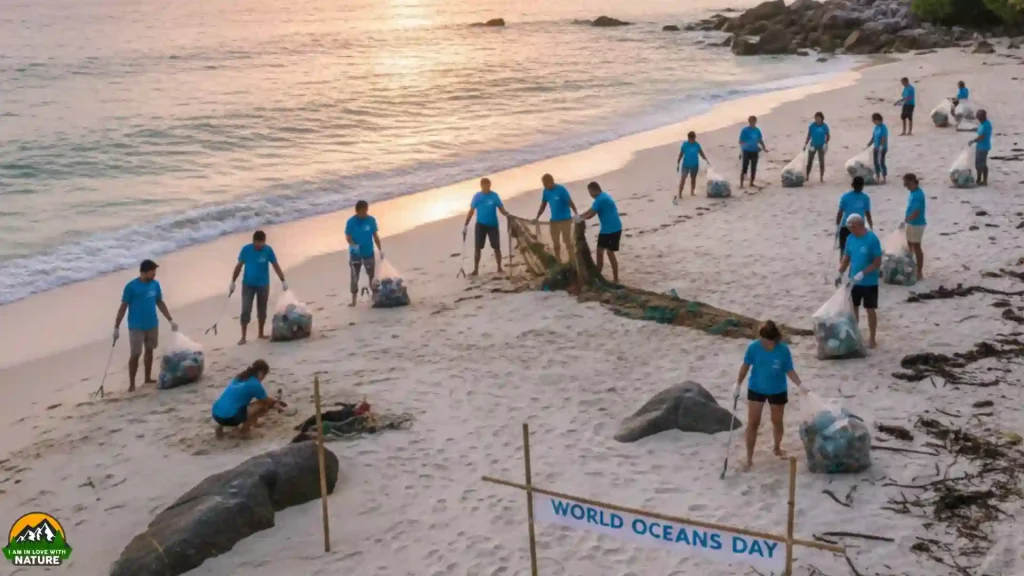
World Oceans Day is the United Nations-recognized global day of ocean celebration and action. It falls on June 8 every year. The day unites millions of people in more than 150 countries through beach cleanups, film screenings, sustainable seafood dinners, art exhibits, school programs, and policy campaigns — all focused on one goal: a healthier ocean for future generations.
History of World Oceans Day
The story began in 1992 at the Earth Summit in Rio de Janeiro, Brazil, when Canada proposed an official day to honor the ocean.
It took 16 years of grassroots momentum until 2008, when the United Nations officially designated June 8 as World Oceans Day. Since then, participation has exploded — events in 178 countries, the largest turnout ever recorded.
The day is coordinated by The Ocean Project and the World Ocean Network, with major support from the UN Division for Ocean Affairs and the Law of the Sea, Oceanic Global, NOAA, National Geographic, and hundreds of aquariums, zoos, and NGOs worldwide.
World Oceans Day Themes
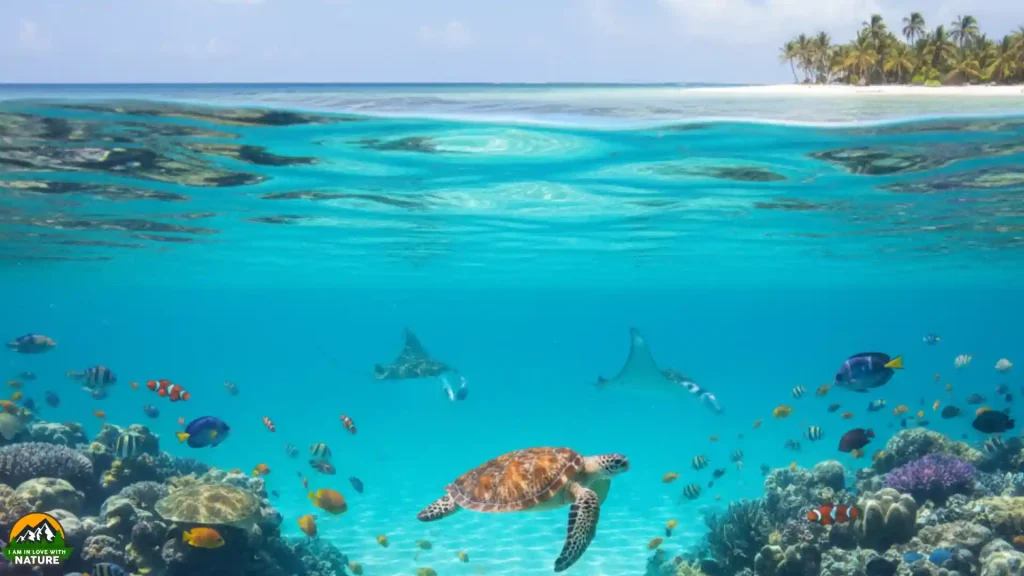
Every World Oceans Day (observed annually on June 8) carries an official theme chosen by the United Nations. These themes are more than slogans — they set the global conversation, shape educational campaigns, guide policy discussions, and help communities focus their local actions. Over the years, the themes have evolved from basic awareness-raising to calls for systemic change, reflecting both scientific urgency and growing public engagement.
World Oceans Day Themes Through the Years
Here is a clear overview of the major UN World Oceans Day themes since official recognition:
- 2027: Theme not yet announced (World Oceans Day falls on Tuesday, June 8, 2027).
- 2026: Reimagine: Beyond the world we know, a new relationship with our ocean — Called for a fundamental shift from treating the ocean as a distant resource to recognizing it as essential life support. Coincided with the entry into force of the High Seas Treaty (BBNJ Agreement). Multi-year action theme: Strong Marine Protected Areas for Our Blue Planet.
- 2025: Wonder: Sustaining What Sustains Us — Celebrated the ocean’s capacity to inspire while underscoring humanity’s dependence on it for oxygen, food, climate regulation, and livelihoods.
- 2024: Awaken New Depths — Urged moving beyond surface-level awareness toward deeper understanding, stronger collaboration, and more meaningful action. Multi-year action theme: Catalyzing Action for Our Ocean & Climate.
- 2023: Planet Ocean: Tides are Changing — Highlighted the need for a major shift in how society relates to the ocean amid accelerating climate and biodiversity crises.
- 2022: Revitalization: Collective Action for the Ocean — Focused on recovery efforts and coordinated global action.
- 2021: The Ocean: Life and Livelihoods — Emphasized the ocean’s role in food security, jobs, and coastal economies.
- 2020: Innovation for a Sustainable Ocean — Promoted new technologies, solutions, and approaches.
- 2019: Gender and Oceans — Examined the contributions and barriers facing women in ocean science, policy, and coastal communities.
- 2018: Clean Our Ocean! — Targeted marine pollution, with a strong focus on plastics.
- 2017: Our Oceans, Our Future — Linked the day to the first UN Ocean Conference and the Sustainable Development Goals.
- 2016: Healthy Oceans, Healthy Planet (with reference to the Hōkūle‘a voyage) — Reinforced the connection between ocean health and planetary health.
- 2015: Healthy Oceans, Healthy Planet — Same core message as 2016, stressing interdependence.
- 2014: Ocean Sustainability: Together let’s ensure oceans can sustain us into the future — Called for long-term stewardship.
- 2013: Oceans & People — Focused on the human–ocean relationship.
- 2012: UNCLOS @ 30 — Marked the 30th anniversary of the United Nations Convention on the Law of the Sea.
- 2011: Our Oceans: Greening Our Future — Connected ocean protection to broader sustainability efforts.
- 2010: Our Oceans: Opportunities and Challenges — Balanced economic potential with environmental threats.
- 2009: Our Oceans, Our Responsibilities — The first official UN World Oceans Day theme, emphasizing collective duty.
Why the Ocean Needs Our Attention Now More Than Ever
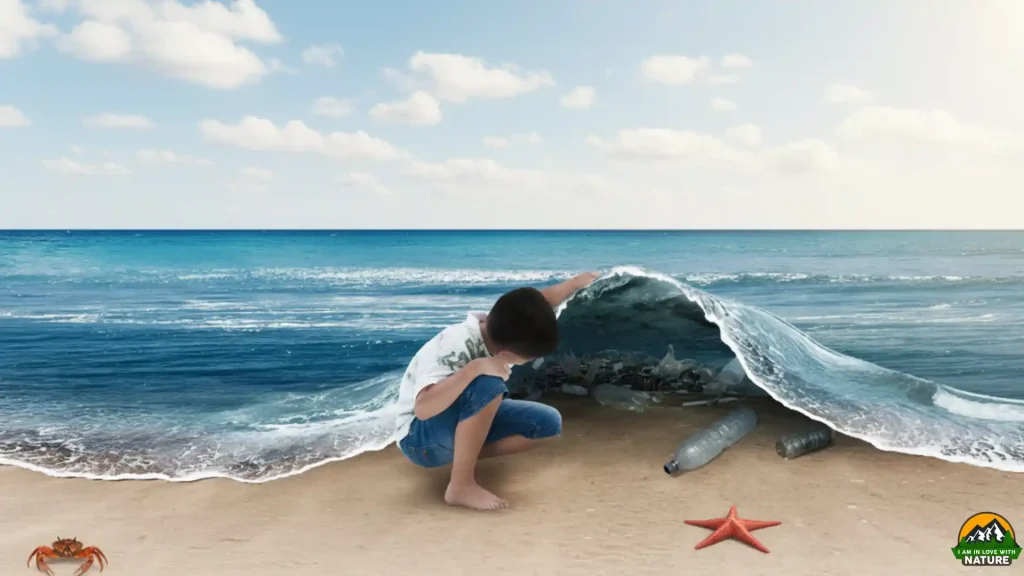
The statistics are sobering:
- The ocean absorbs ~30% of all human-generated CO₂ and over 90% of excess heat from global warming.
- 50% of coral reefs have died in the past 30 years.
- 90% of big fish populations have disappeared since the 1950s.
- 17 million metric tons of plastic entered the ocean in 2023 alone (expected to triple by 2040 without action).
- Ocean acidification has increased 30% since the industrial revolution — literally dissolving shellfish shells.
- Sea levels are rising 3.7 mm per year and accelerating.
The good news? Solutions exist, and individual + collective action works. Protected marine areas recover dramatically within just a few years. Whale populations are rebounding in places with strong protections. Plastic bans in cities and countries are already reducing ocean pollution.
How to Celebrate World Oceans Day – Actionable Ideas That Actually Move the Needle
1. Join or Organize a Beach/River/Lake Cleanup
The single most impactful thing most people can do. In the U.S., the Ocean Conservancy’s International Coastal Cleanup is the biggest coordinated event. Last year Americans alone removed over 4 million pounds of trash.
2. Eat (or Serve) Sustainable Seafood
Use the Monterey Bay Aquarium Seafood Watch app before you buy or order. Choosing pole-and-line tuna, U.S.-farmed oysters, or MSC-certified fish makes a huge difference.
3. Cut Single-Use Plastic Today
Refuse plastic straws, bags, bottles, and cutlery. Bring your own kit everywhere. One person switching to reusables can prevent ~300–500 pieces of plastic from reaching the ocean annually.
4. Attend or Host an Event
Check the official World Oceans Day event map (worldoceanday.org) in spring. If you are US citizen, Major U.S. events usually include:
- Monterey Bay Aquarium’s big celebration (California)
- Aquarium of the Pacific in Long Beach
- New York Aquarium
- Shedd Aquarium in Chicago
- Virtual livestreams from the UN and National Geographic
5. Support Strong Ocean Policy
Text or call your representatives to support the Global Plastics Treaty, the High Seas Treaty (now ratified!), and full U.S. funding for 30×30 marine protected areas. Tools like Surfrider Foundation and Oceana make it one-click easy.
6. Teach the Next Generation
Kids’ activities, documentaries (My Octopus Teacher, Chasing Coral, Seaspiracy), or National Geographic Kids resources turn awareness into lifelong stewardship.
7. Dive Into Ocean Art & Photography Contests
The official World Ocean Day Youth Advisory Council runs one of the biggest photo + art + film contests on the planet every year — huge prizes and global exposure.
8. Make It a Company or School Event
Many Fortune 500 companies now host employee volunteer days, sustainable seafood lunches, or donation matches on June 8.
Mind-Blowing Ocean Facts to Share on World Oceans Day
- One breath in two comes from the ocean (thanks, phytoplankton!).
- We’ve explored less than 25% of the ocean floor — there’s more detailed maps of Mars than our own seabed.
- A single whale sequesters as much carbon in a lifetime as thousands of trees.
- The Great Pacific Garbage Patch is now twice the size of Texas — but cleanup tech like The Ocean Cleanup’s Interceptor systems is removing thousands of tons already.
“The cure for anything is saltwater – sweat, tears, or the sea.”
The Bottom Line: The Ocean Doesn’t Need Us — We Need the Ocean
World Oceans Day isn’t just another date on the calendar — it’s a global wake-up call and a celebration rolled into one. June 8 is your next chance to be part of the solution. Whether you pick up one piece of trash, change one habit, or inspire one friend, every action ripples. The ocean has sustained humanity for millennia. Now it’s our turn to sustain the wonder that sustains us.
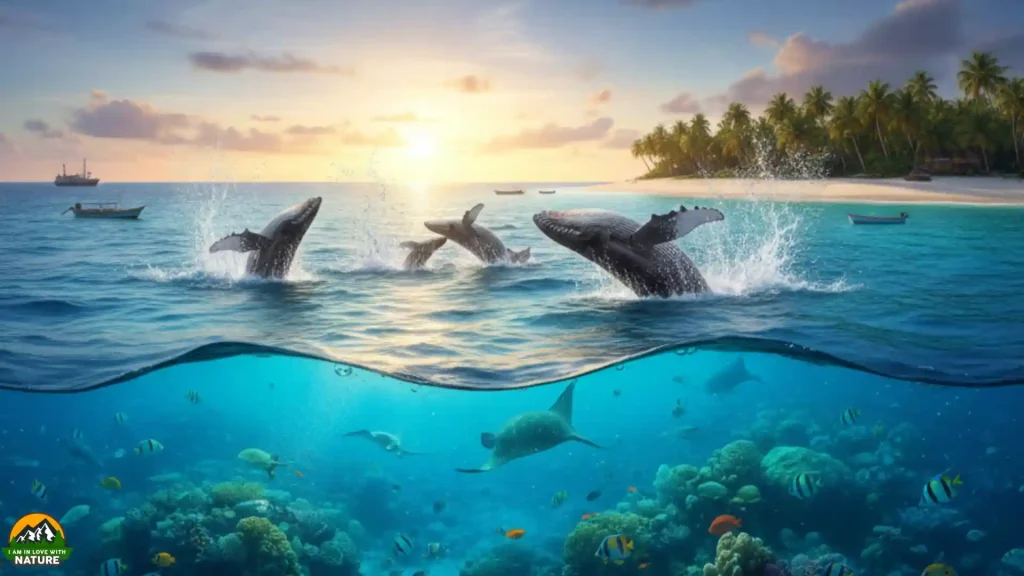
Why is World Oceans Day celebrated?
World Oceans Day is celebrated to raise global awareness about the critical role the ocean plays in our everyday lives, often described as the “lungs of our planet.” It serves as a call to action for the public to protect the ocean from threats like pollution and overfishing, and to promote sustainable management of marine resources.
When is World Oceans Day observed?
The United Nations officially recognizes June 8th as World Oceans Day, a date observed annually across the globe. The day was officially designated by the UN General Assembly in 2008, though the concept was originally proposed by Canada at the 1992 Earth Summit in Rio de Janeiro.
How can we protect the ocean on World Oceans Day?
You can participate by reducing your use of single-use plastics, choosing sustainable seafood, and joining local beach cleanups. Educating others by sharing facts on social media and supporting organizations dedicated to marine conservation are also effective ways to make a difference.
Why are oceans important to human life?
Oceans cover over 70% of the Earth’s surface and produce at least 50% of the planet’s oxygen, making them essential for human survival. Additionally, they regulate the global climate by absorbing nearly 30% of carbon dioxide produced by humans, helping to buffer the impacts of global warming.