


Mallorca rewards travelers who treat it as more than a beach break. The island covers roughly 3,640 square kilometers, has a resident population of about 971,000, and stretches across approximately 550 kilometers of coastline with around 250 beaches and coves. Its northwest spine, the Serra de Tramuntana, has been a UNESCO World Heritage Cultural Landscape since 2011 because of its terraced olive groves, dry-stone walls, and mountain villages. Tourism remains the main economic driver, yet the island still has quiet interior plains, market towns, and hiking trails that feel far from the resort strips.
This guide covers the practical decisions that shape a Mallorca trip: when to go, where to base yourself, how to get around, and which regions and experiences deserve your time. Deeper guides on specific topics (beaches, itineraries, villages, hiking, and more) are linked throughout.
Best Time to Visit Mallorca
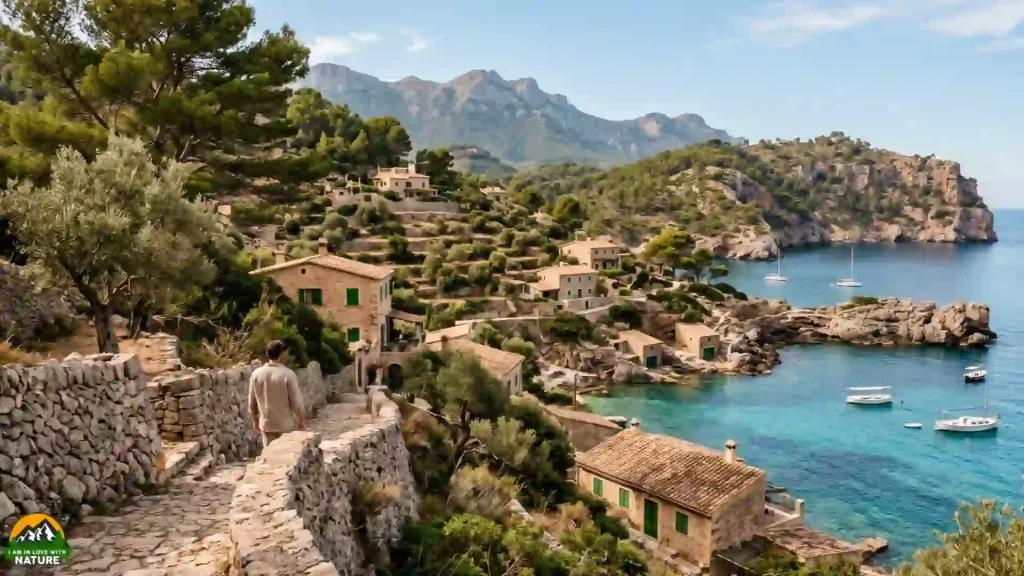
Shoulder seasons—late April through early June and September through mid-October—offer the strongest balance of weather, daylight, and manageable crowds. Summer (July–August) delivers the warmest seas and fullest resort life but also peak heat, traffic, and prices. Winter is mild by northern European standards and excellent for hiking or city exploration, though many coastal businesses reduce hours.
Palma climate normals give a reliable island-wide approximation:
| Month | Daytime High (°C) | Night (°C) | Sea (°C) | Rainy Days | Rain (mm) |
| January | 15.4 | 5.2 | 14.5 | 6 | 43 |
| April | 19.3 | 8.0 | 14.9 | 6 | 39 |
| May | 22.7 | 11.4 | 17.0 | 4 | 30 |
| July | 29.7 | 18.4 | 24.3 | 1 | 7 |
| August | 30.2 | 19.0 | 26.2 | 2 | 21 |
| September | 27.0 | 16.6 | 24.7 | 4 | 51 |
| October | 23.2 | 13.4 | 22.0 | 7 | 67 |
Sea temperatures become comfortable for most swimmers by late May and remain inviting into October. October tends to be the wettest month, so pack a light rain layer if you plan mountain walks. For a full seasonal breakdown, including what to expect month by month, see our [Best Time to Visit Mallorca] guide.
Getting There and Getting Around
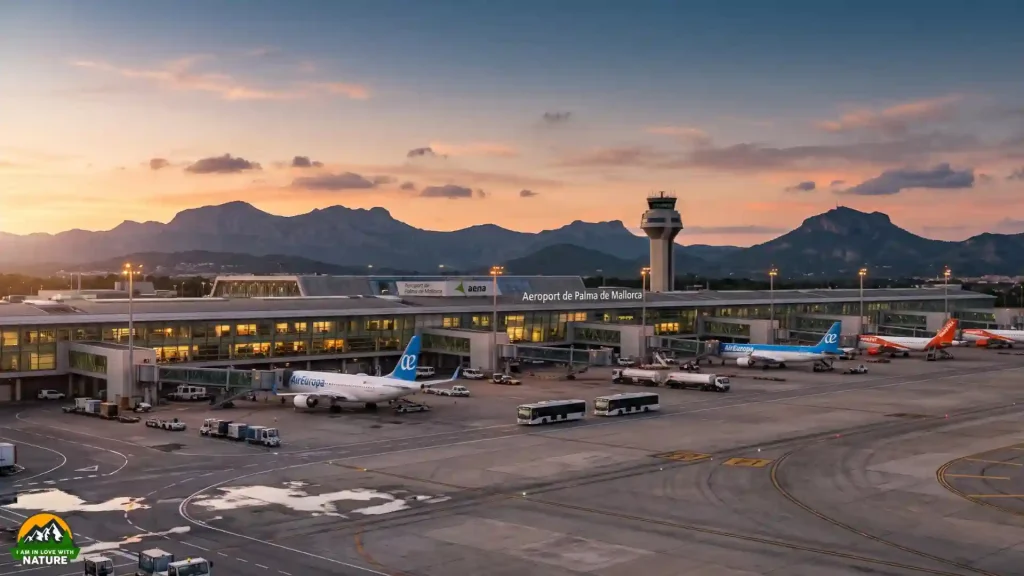
Palma de Mallorca Airport (PMI) handles the vast majority of arrivals and sits about 9 km from the city center. Direct flights arrive from dozens of European cities; longer-haul connections usually route through major hubs. Ferries link the island with Barcelona, Valencia, Dénia, Ibiza, and Menorca.
Public transport (TIB buses and limited trains) covers Palma and many coastal towns efficiently. The vintage wooden train from Palma to Sóller is a scenic highlight. Outside the main corridors, a rental car is the most practical way to reach smaller calas and mountain villages. Roads are generally well-signed.
Note that the Ma-2210 road to Cap de Formentor operates under seasonal private-vehicle restrictions (typically mid-May to mid-October, 10:00–22:00). During those hours a shuttle bus or early/late arrival is required. Confirm exact dates close to travel. For detailed public-transport options and car-free itineraries, see our [Getting Around Mallorca Without a Car] guide.
Regions of Mallorca
Mallorca divides naturally into distinct areas, each suited to different styles of travel:
- Palma and the Bay of Palma — Historic capital with the cathedral, old town, markets, and easy airport access. Good base for first-timers or shorter trips.
- Serra de Tramuntana (Northwest) — UNESCO mountain range with villages such as Sóller, Deià, and Valldemossa, plus dramatic coastal roads and hiking.
- North (Alcúdia, Pollença, and Cap de Formentor) — Long sandy beaches, walled old towns, and the island’s northernmost cape.
- Southeast and South — Concentration of calas, natural parks (Mondragó, Es Trenc), and stone villages such as Santanyí.
- Interior (Es Pla) — Agricultural plains, vineyards, and quieter market towns.
Choosing one or two bases and exploring from there usually works better than trying to cover the entire island every day. For a detailed comparison of towns and neighborhoods, see our [Where to Stay in Mallorca] guide.
Where to Stay in Mallorca
| Area | Best For | Vibe | Notes |
| Palma Old Town | Culture, food, walkability | Urban and lively | Easy airport access |
| Santa Catalina / Portixol | Dining and local atmosphere | Residential and trendy | Short walk or bus to center |
| Sóller / Port de Sóller | Mountains and coast | Scenic and relaxed | Strong for Tramuntana trips |
| Deià or Valldemossa | Atmosphere and views | Quiet and artistic | Limited dining options |
| Alcúdia / Pollença | Beaches and northern day trips | Family-friendly | Good for Formentor |
| Southeast (Santanyí area) | Calas and villages | Laid-back and scenic | Car useful |
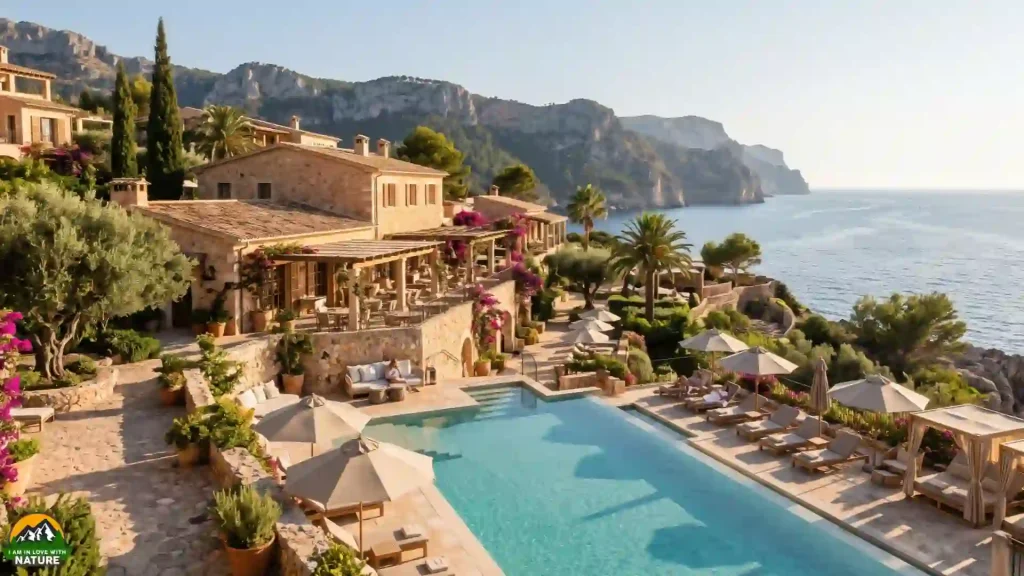
Rural fincas (agritourism stays) appear across the interior and Tramuntana and often include pools and olive groves. Book early for peak summer; many rural properties reduce service outside the main season.
Top Things to Do
Palma Cathedral (La Seu) towers over the harbor. Its Gothic structure, stained glass, and later artistic interventions make it the island’s signature landmark. Pair it with a walk through the old town’s narrow streets and a visit to Es Baluard or the Fundació Pilar i Joan Miró.
Serra de Tramuntana rewards both drivers and hikers. The vintage train to Sóller, the coastal road past Banyalbufar, and stops in Valldemossa and Deià are classic. The GR 221 (Ruta de Pedra en Sec) offers multi-day hiking. For a dedicated guide to the range, trails, and villages, see our [Serra de Tramuntana Travel Guide] and [Best Hiking Trails in Mallorca].
Cap de Formentor delivers dramatic cliffs and a lighthouse at the northern tip. Use the shuttle during restricted hours or time your visit outside the seasonal limits.
Coves del Drach (near Porto Cristo) features an underground lake and classical music performances. Book timed entry in high season.
Markets — Sineu’s Wednesday market is one of the oldest. Palma’s Mercat de l’Olivar and Santa Catalina are excellent for food.
For a complete list of experiences ranked by popularity and value, see our [Best Things to Do in Mallorca] guide. For less-visited options, check our [Mallorca Hidden Gems] guide.
Beaches and Calas
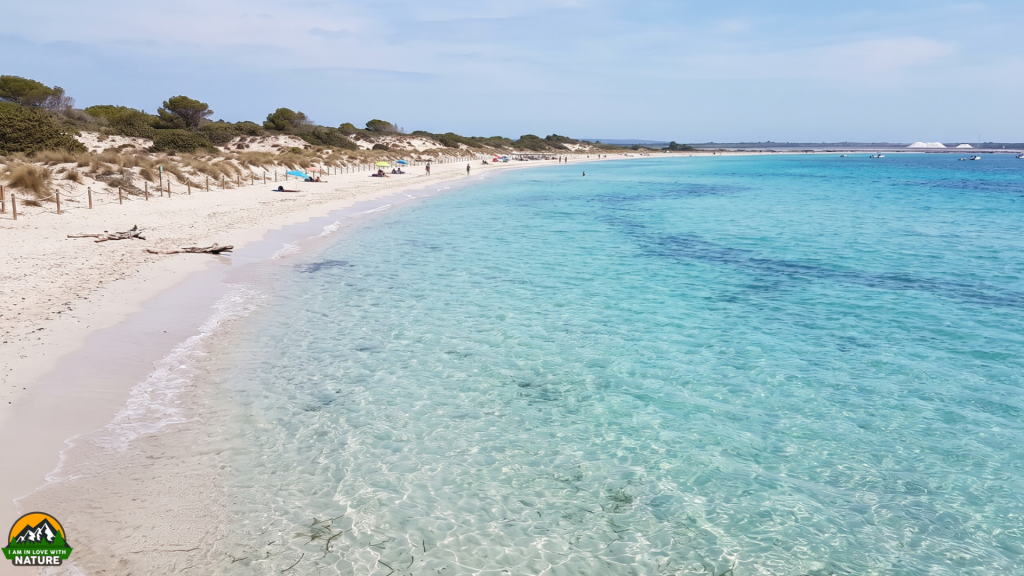
Mallorca’s roughly 250 recorded beaches range from long sandy stretches to pine-backed coves. Popular favorites include:
- Es Trenc (south) — Long white-sand beach backed by dunes and salt flats; arrive early in summer.
- Cala Mondragó and S’Amarador (Mondragó Natural Park) — Protected coves with clear water.
- Cala Deià and Cala Tuent — Rocky, scenic spots at the foot of the mountains.
- Cala Llombards and Caló des Moro — Smaller, photogenic southeast coves; parking can be limited.
- Playa de Muro and Playa de Alcúdia — Long, family-friendly sandy beaches in the north.
Many smaller calas have steep paths or limited parking. Bring water, shade, and cash or a card for nearby chiringuitos. For a full ranking, access tips, and regional breakdowns, see our [Best Beaches in Mallorca] guide.
Villages and Towns Worth Visiting
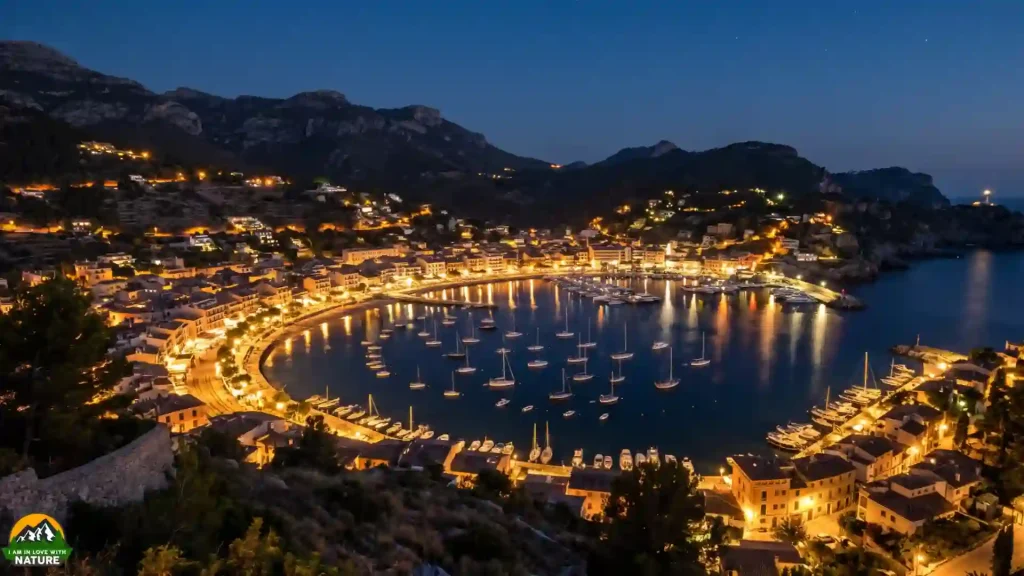
- Sóller and Port de Sóller — Orange groves, a historic train, and a tram to the port. See our [Sóller and Port de Sóller Travel Guide].
- Valldemossa — Stone architecture, Chopin connection, and mountain setting. See our [Valldemossa Travel Guide].
- Deià — Artist village with a rocky cove and literary history. See our [Deià Travel Guide].
- Alcúdia — Walled old town and easy access to northern beaches.
- Santanyí — Stone-built streets and a strong base for southeast calas.
- Fornalutx — One of the island’s prettiest stone villages in the Tramuntana.
For a comparative overview of the island’s most appealing villages, see our [Best Villages in Mallorca] guide. A broader sightseeing roundup appears in our [Best Places to Visit in Mallorca] guide.
Food and Drink
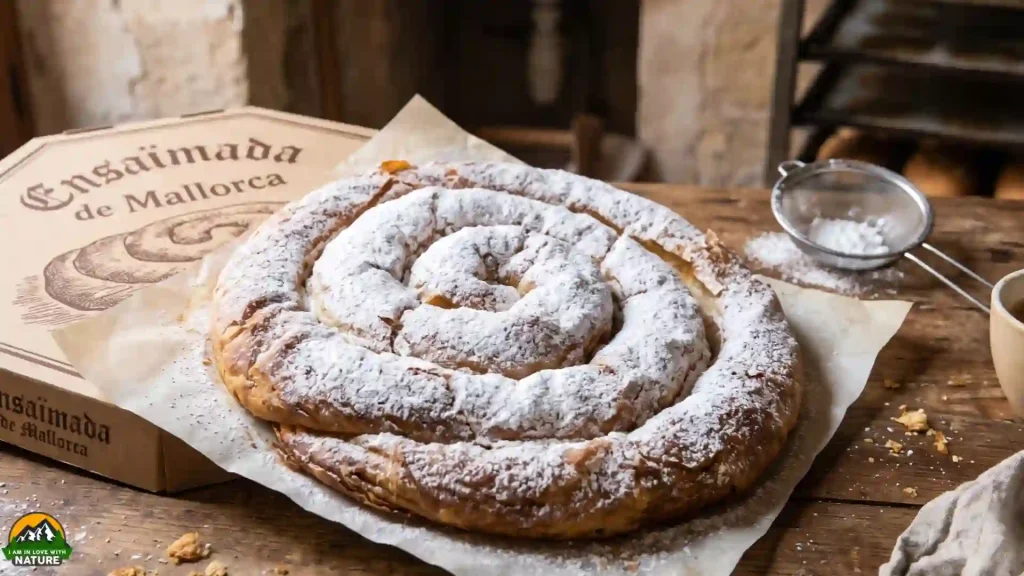
Mallorcan cooking is straightforward and ingredient-driven: olive oil, tomatoes, almonds, pork products, and seafood.
- Pa amb oli — Rustic bread rubbed with ramallet tomato, drizzled with local olive oil, and finished with salt. Toppings often include cheese, jamón, or sobrassada.
- Ensaïmada — The island’s spiral pastry made with lard and dusted with powdered sugar. Eat it fresh from a bakery (Can Joan de S’Aigo in Palma is a classic stop).
- Tumbet — Layered fried eggplant, potato, and peppers finished with tomato sauce.
- Sobrassada — Soft, paprika-cured pork sausage, often spread on bread.
- Seafood — Grilled fish, cuttlefish, and rice dishes appear widely along the coast.
- Wines — Binissalem and Pla i Llevant denominations produce solid local reds and whites.
Markets are the best places to assemble a picnic. A mid-range restaurant dinner for two typically runs €40–70 without wine; menus del día at lunch are often better value. Grocery prices at chains such as Mercadona remain reasonable for self-catering.
Sample Itineraries
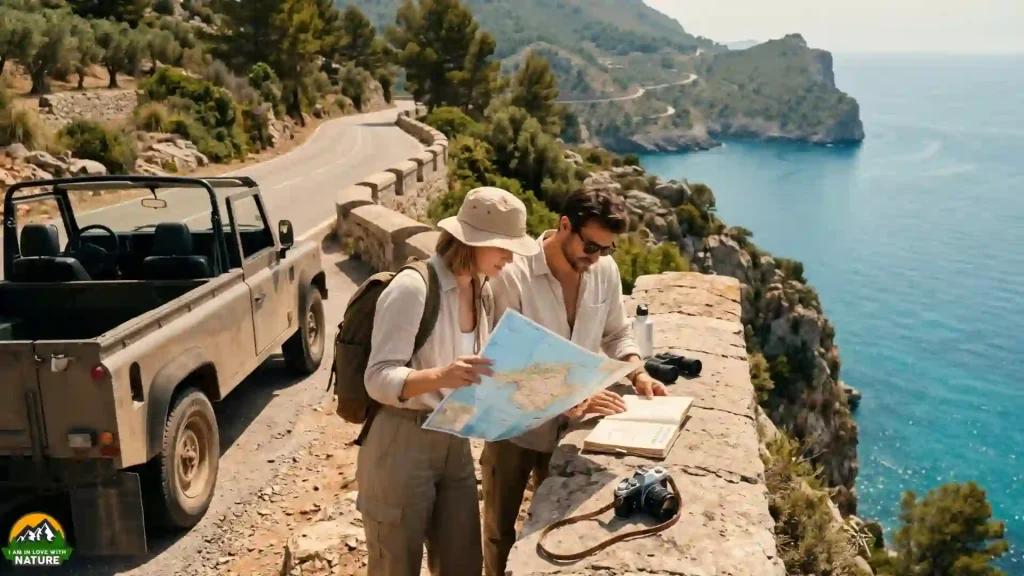
5–7 day first visit (car recommended after day 1–2):
- Days 1–2: Palma (cathedral, old town, markets, waterfront).
- Day 3: Sóller train or drive, Port de Sóller, Valldemossa or Deià.
- Day 4: Northern loop—Pollença, Cap de Formentor (or shuttle), Alcúdia beaches.
- Day 5: Southeast calas or Mondragó Natural Park + Santanyí.
- Optional: Coves del Drach or a mountain hike.
Shorter stay: Base in Palma and do one full-day Tramuntana or coastal excursion plus beach time. For day-by-day plans with timing, transport notes, and alternatives, see our [Mallorca 7-Day Itinerary] guide. Families can also consult our [Mallorca Family Travel Guide].
Practical Tips, Budget, and Costs
The Balearic Sustainable Tourism Tax (ITS / ecotasa) is charged per person per night and added to accommodation. High season (1 May–31 October) rates range roughly from €1 (budget) to €4 (5-star) net before 10% VAT; low-season rates are substantially lower. Children under 16 are exempt, and the rate drops 50% from the ninth consecutive night at the same property. Budget for it separately.
Approximate daily budget ranges (per person):
| Level | Daily Range | What’s Included |
| Budget | €70–110 | Hostel or basic apartment, public transport, market meals |
| Mid-range | €150–250 | Boutique hotel or finca, rental car, mix of restaurants |
| Comfortable | €300+ | Higher-end stays, fine dining, private tours |
Other typical costs: car rental from €30–80+ per day depending on season and vehicle; Palma Cathedral entry roughly €10–15; catamaran or boat trips €40–90; bus tickets a few euros. For a detailed cost breakdown and money-saving tips, see our [Mallorca Travel Costs and Budget] guide.
Other practical notes:
- Driving is on the right; many rental cars are manual.
- English is widely spoken in tourist areas; basic Spanish or Catalan greetings are appreciated.
- Tipping is discretionary—rounding up or 5–10% for good service is common.
- Tap water is generally fine in towns; carry a reusable bottle.
- Summer heat is intense; start early for outdoor activities and use sun protection.
- Check local rules for popular calas and Formentor close to your dates.
How many days do you need?
Four to five days cover Palma plus one or two other regions without rushing. Seven to ten days allow a more relaxed mix of mountains, villages, and beaches.
Is a car necessary?
Not for a pure Palma + beach resort stay. Yes if you want flexibility for calas, villages, and the Tramuntana. See our [Getting Around Mallorca Without a Car] guide for alternatives.
Is Mallorca safe?
Yes. Standard European tourist precautions apply; petty theft can occur in crowded areas.
What’s the best month?
May and September often rank highest for a mix of sea temperature, hiking conditions, and fewer crowds. Full details are in our [Best Time to Visit Mallorca] guide.
Where should first-timers stay?
Palma for culture and convenience, or a base in the Tramuntana (Sóller area) or north (Alcúdia/Pollença) if beaches and scenery are the priority. Compare options in our [Where to Stay in Mallorca] guide.
Mallorca works best when you match your base and activities to the season and leave room for slow mornings in a market or an unplanned cove. The island’s combination of accessible mountains, varied coastline, and a real city capital is hard to replicate in a single week. Use the linked guides above to go deeper on any topic that interests you.


